

Understanding psychological tricks in gambling How your mind influences your bets
The Psychology Behind Betting Decisions
The realm of gambling is as much about psychology as it is about luck. Players often rely on cognitive biases, emotional influences, and psychological triggers when placing bets. Looking for the best options? You can check out the top 10 online casino australia real money sites, which can offer insights into why certain patterns emerge in gambling behavior. For instance, the “gambler’s fallacy” makes individuals believe that past outcomes will influence future results, which can lead to irrational betting decisions.

Moreover, emotions play a significant role in gambling choices. Excitement, fear, and the adrenaline rush from potential winnings can cloud judgment. Players often chase losses, hoping to recoup what they’ve lost, which can lead to escalating bets and greater financial risk. Recognizing these psychological traps can be crucial for anyone looking to gamble responsibly.
The Impact of Environment on Gambling Behavior
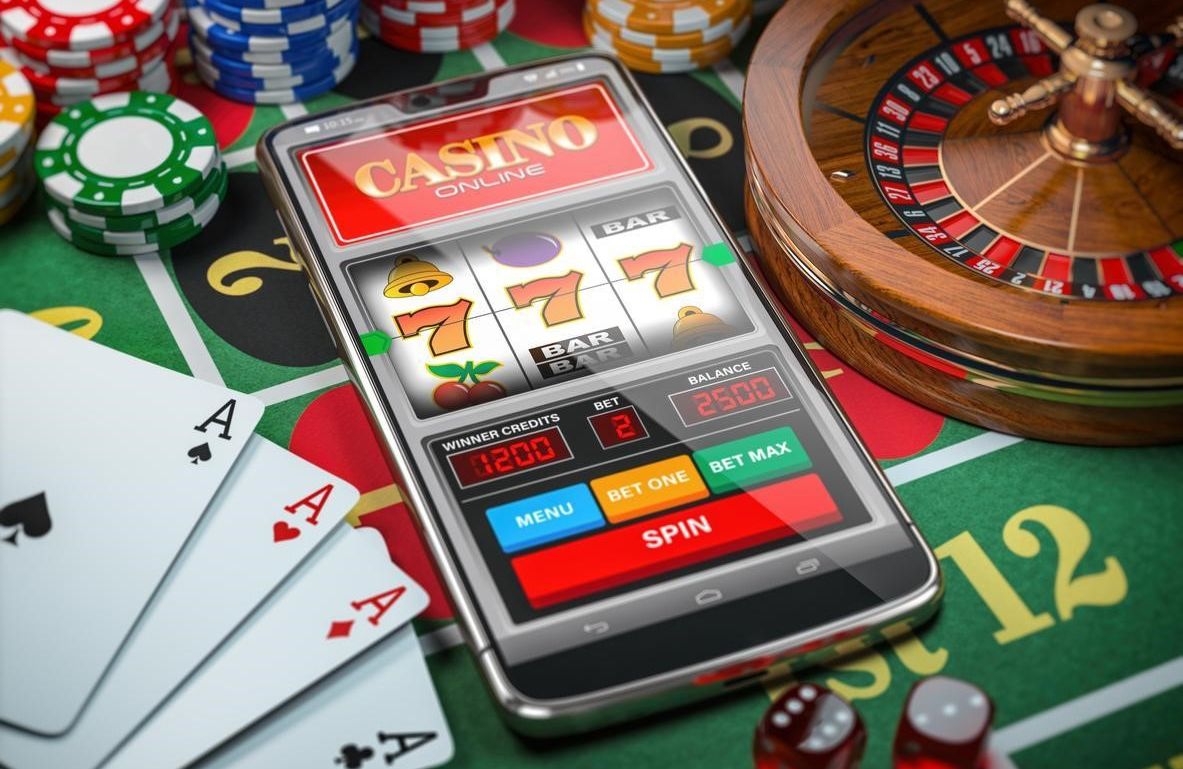
The environment in which gambling takes place—be it online or offline—can significantly affect a player’s mindset. In physical casinos, the atmosphere is designed to be stimulating, with bright lights and sounds that create a heightened sense of excitement. This sensory overload can lead to impulsive betting, as players become more susceptible to their emotions.
In contrast, online gambling offers a different experience. Players may feel a sense of anonymity and detachment that can encourage riskier betting behaviors. The lack of physical cues found in traditional casinos may lead individuals to make decisions based on impulse rather than rational thinking. Understanding how each environment influences behavior can help gamblers make more informed choices.
Cognitive Biases in Gambling
Cognitive biases are systematic patterns of deviation from norm or rationality in judgment, which play a crucial role in gambling. Confirmation bias, for example, leads players to seek out information that supports their existing beliefs while ignoring evidence that contradicts them. This can perpetuate poor betting strategies and reinforce a gambler’s misguided confidence in their decisions.
Additionally, the illusion of control is another common cognitive bias in gambling. Many players believe they can influence random outcomes, such as those in slot machines or roulette. This false sense of control can lead to increased betting and a greater likelihood of gambling addiction. Awareness of these cognitive biases is essential for gamblers aiming to maintain a healthy relationship with betting.
Strategies for Responsible Gambling
To mitigate the psychological traps inherent in gambling, players should adopt strategies for responsible gambling. Setting strict budgets and sticking to them can help maintain financial control and reduce the urge to chase losses. Additionally, taking regular breaks during gambling sessions can provide valuable time to reflect on one’s emotions and decisions.
Furthermore, seeking support from friends or professionals can create a safety net for those struggling with gambling addiction. By discussing their experiences and challenges, gamblers can gain perspective and make more rational choices. Awareness and education are key components in fostering a healthy gambling environment.
Explore Safe Gambling Practices
Our website offers comprehensive insights into gambling psychology and tips for responsible betting. We believe that understanding the psychological factors at play can significantly enhance your gambling experience. By exploring our resources, you can discover how to navigate the complexities of your mind while gambling.
We are committed to providing information that empowers players to make informed decisions. Whether you are a seasoned gambler or just starting, our website is your go-to resource for understanding the psychological tricks in gambling and ensuring a safe, enjoyable betting experience.
Leave a Reply