

Understanding psychological triggers how they influence gambling behavior
The Nature of Psychological Triggers
Psychological triggers are stimuli that evoke certain emotional or behavioral responses. In gambling, these triggers can lead players to make impulsive decisions, often overriding rational thought. For instance, the excitement of a near win can spur continued play, as the brain interprets it as a signal that victory is close. Such stimuli can be anything from bright lights and loud sounds in a casino to the design of an online betting interface, each carefully engineered to elicit specific emotional responses. One popular platform, BetBull Sports, is an example of how technology enhances this experience.

The psychology of gambling relies heavily on reinforcement theory, where rewards, both large and small, encourage continued engagement. This is exemplified by the variable reinforcement schedule, which means that players do not win every time but often enough to keep them motivated. This unpredictability becomes a trigger; each spin of a slot machine or roll of the dice becomes laden with the hope of a reward, embedding players deeper into the gambling cycle.
Additionally, cognitive biases play a crucial role in how psychological triggers function. Gamblers often overestimate their control over outcomes, leading to the illusion of skill in games predominantly based on chance. This cognitive distortion not only affects betting decisions but also creates a sense of attachment to gambling, making it difficult for players to disengage even when faced with losses. Recognizing these biases is essential for understanding how psychological triggers shape gambling behaviors.
The Role of Emotions in Gambling
Emotions are pivotal in influencing gambling behavior, often serving as immediate triggers for action. For many gamblers, the thrill and adrenaline that accompany betting can overshadow logical reasoning. This emotional high can lead to riskier bets, as players may become caught in a euphoric state, forgetting the potential consequences of their actions. The rush of winning may reinforce this behavior, creating a cycle where the desire for that emotional reward drives them to gamble more frequently.
The correlation between emotions and gambling is not solely about winning; losses can evoke a range of emotional responses too. Feelings of frustration or sadness following a loss may lead players to chase their losses, which often exacerbates the problem. This emotional rollercoaster can be intoxicating, providing gamblers with an escape from reality. Consequently, understanding this emotional connection is vital for identifying when gambling transitions from a fun pastime to a harmful addiction.
Furthermore, social influences can amplify emotional triggers. The environment in which gambling occurs—whether it’s a bustling casino or an online platform—can heighten emotional responses. The presence of other gamblers, the cheers of a nearby table, or even the strategic marketing of a betting site can trigger excitement and anxiety, pushing individuals to engage in behaviors they may not normally consider. This social aspect demonstrates how emotions are intertwined with gambling, creating a complex web of psychological triggers that shape behaviors.
The Impact of Environment on Gambling Behavior
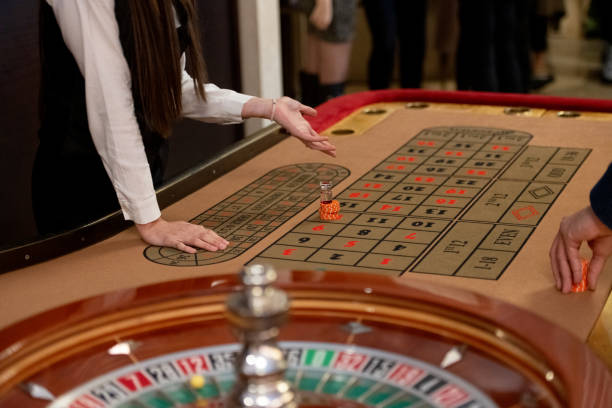
The environment in which gambling takes place significantly affects players’ behaviors and decisions. Casinos are specifically designed to create an immersive experience, with sights, sounds, and scents that trigger excitement and a sense of urgency. Bright lights and captivating visuals can cause disorientation, making it challenging for players to keep track of time or money spent. This sensory overload encourages gamblers to stay longer, increasing their chances of making impulsive decisions.
Online gambling platforms, like BetBull, leverage similar strategies, utilizing user-friendly interfaces and engaging graphics to create an enjoyable experience. Features such as live betting and real-time updates can heighten the urgency to place bets, often leading to impulsive behaviors. The accessibility of betting apps on mobile devices further complicates this landscape, allowing individuals to gamble anytime and anywhere, thus intensifying the effects of environmental triggers.
Moreover, the concept of social proof also plays a role in how the environment influences gambling behavior. Seeing others win can create a bandwagon effect, encouraging onlookers to join in, driven by the belief that success is attainable. This herd mentality can push individuals to gamble more than they originally intended, highlighting the importance of the social environment in shaping gambling behaviors. Understanding these environmental factors is essential for creating healthier gambling experiences.
The Role of Marketing and Advertising
Marketing strategies in the gambling industry are carefully crafted to tap into psychological triggers, influencing potential customers’ decision-making processes. Promotions like bonuses, free bets, and loyalty rewards are designed not just to attract new customers but to keep existing ones engaged. These offers often exploit cognitive biases, such as the sunk cost fallacy, where players feel compelled to continue playing because they have already invested time or money.
Advertising techniques that evoke emotions, such as excitement and anticipation, are also prevalent. By showcasing happy, successful gamblers in their campaigns, companies promote an aspirational image that makes betting seem not only fun but rewarding. This can create a powerful emotional connection that motivates individuals to take part in gambling activities, often without fully considering the risks involved.
Additionally, the use of social media and influencers has transformed how gambling is marketed, especially among younger audiences. Influencers often promote gambling as a glamorous lifestyle choice, further entrenching the association between success, excitement, and betting. This modern approach raises concerns about the potential for normalization, leading individuals to view gambling as a harmless pastime rather than a risky behavior. Understanding these marketing tactics is crucial for recognizing their impact on gambling behaviors.
BetBull: A Responsible Approach to Gambling
BetBull is dedicated to fostering a responsible gambling environment by promoting awareness of psychological triggers and their effects on betting behavior. The platform aims to empower users with knowledge and tools to recognize when gambling becomes problematic. By providing educational resources and easy access to self-exclusion options, BetBull places a strong emphasis on player well-being.
Furthermore, BetBull’s user-friendly interface is designed not only to enhance the betting experience but to encourage responsible gambling practices. With features that allow users to set limits on their spending and time spent gambling, the platform seeks to mitigate the risks associated with emotional and environmental triggers. This proactive approach aligns with a broader commitment to promoting safer gambling habits.
In conclusion, understanding the psychological triggers that influence gambling behavior is essential for both players and operators alike. Platforms like BetBull recognize the importance of addressing these issues and actively work towards creating a supportive environment for users. By blending enjoyment with responsibility, BetBull aims to foster a vibrant community where gambling remains an entertaining pursuit rather than a harmful addiction.
Leave a Reply